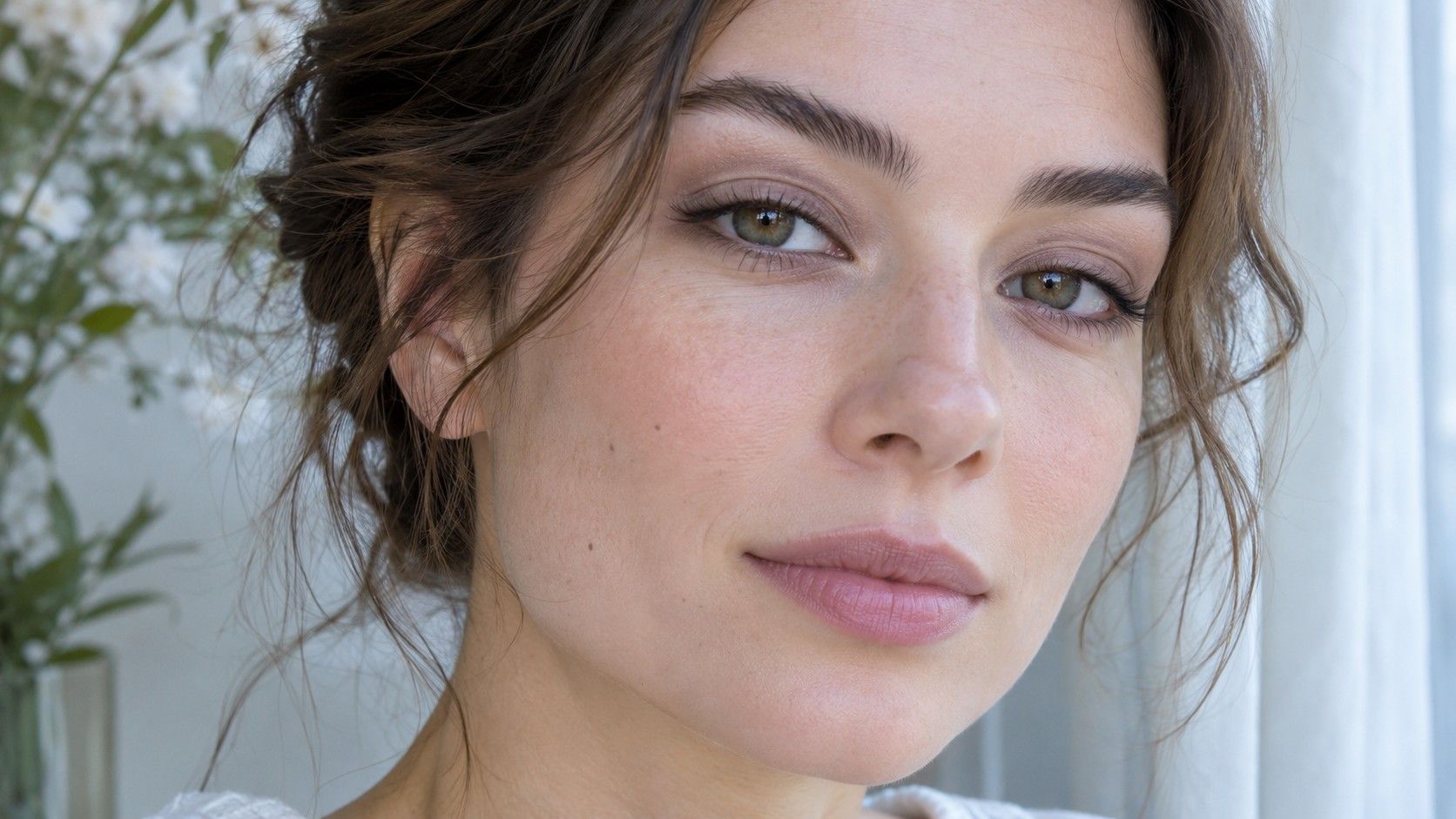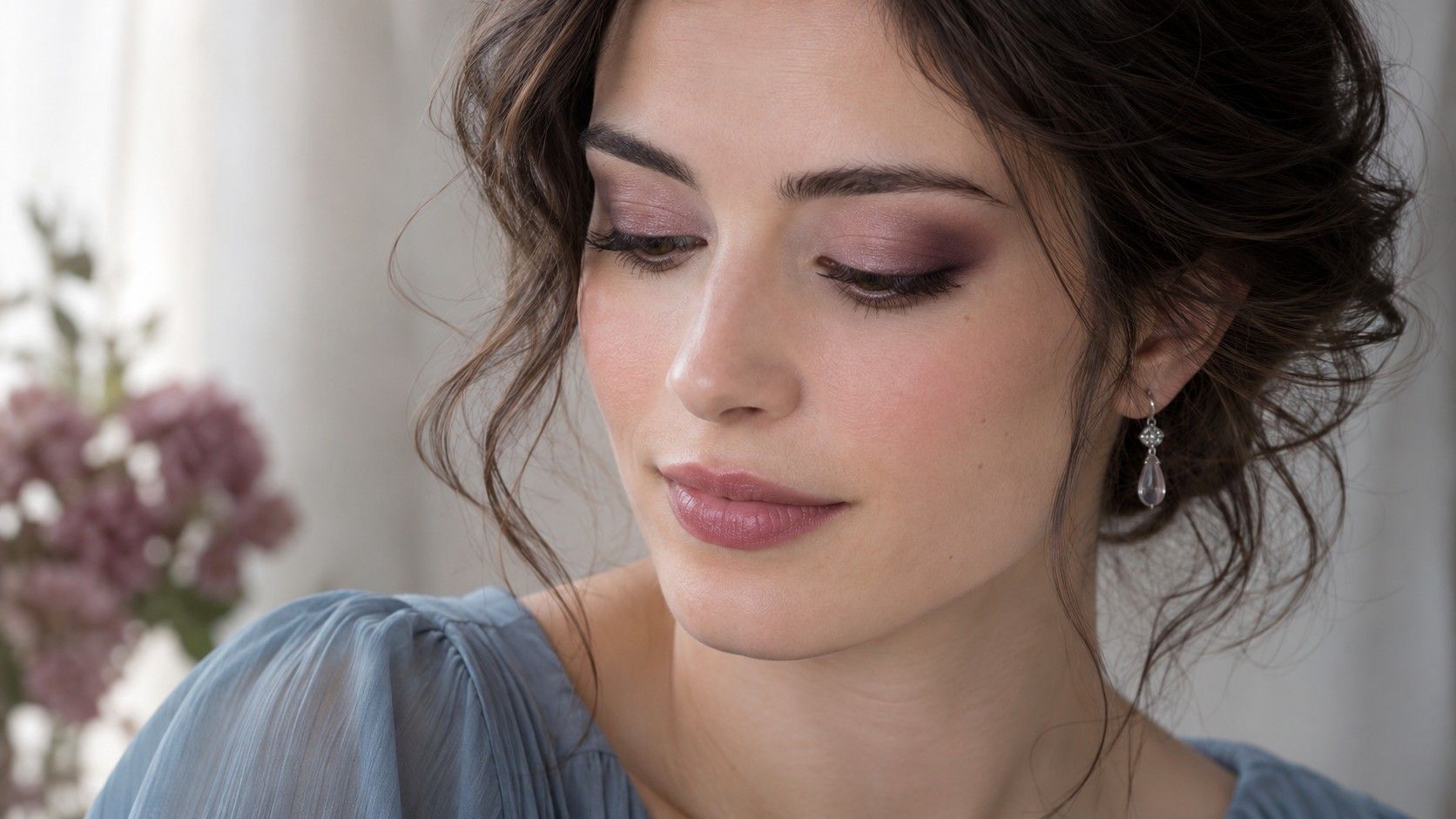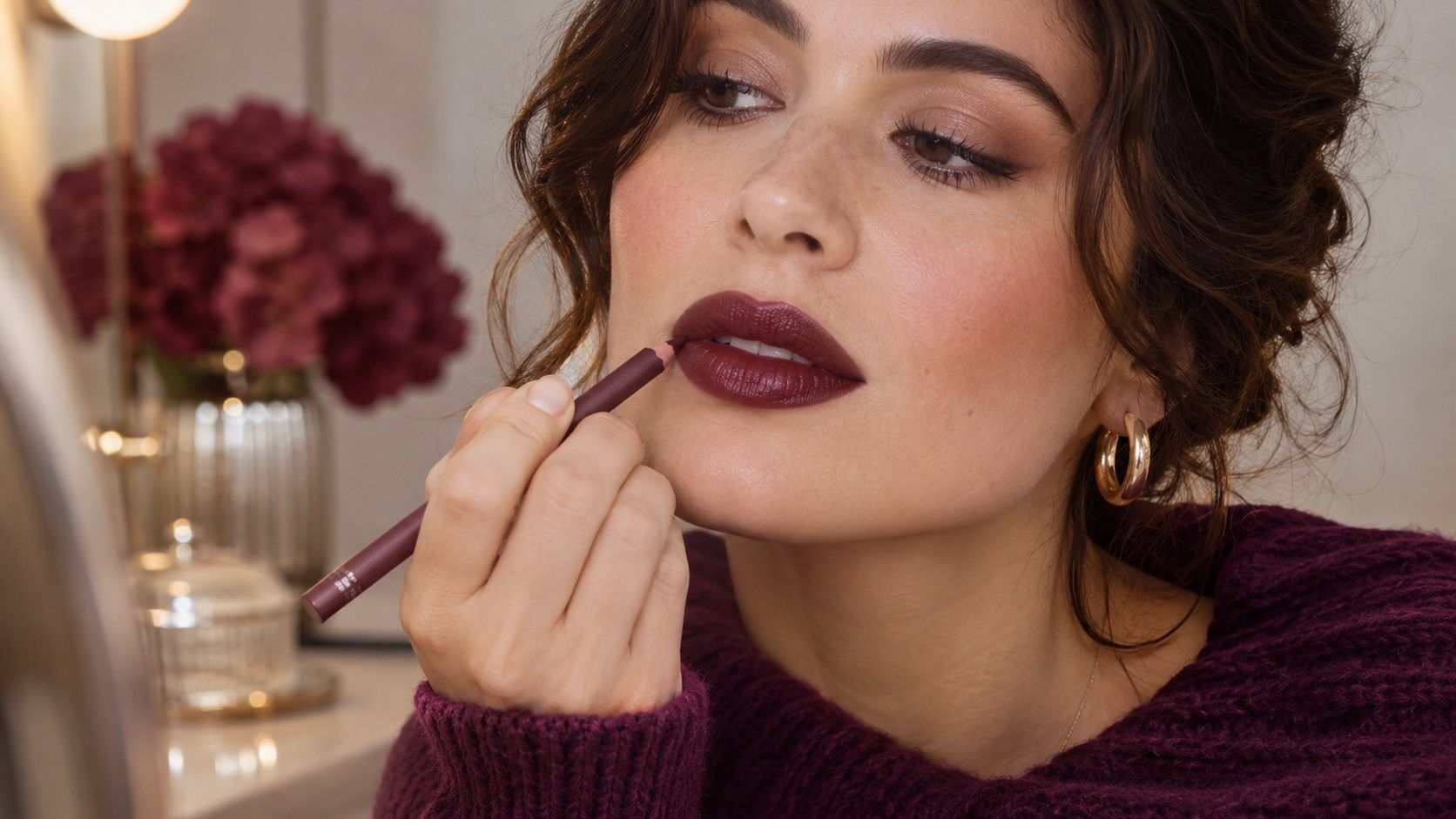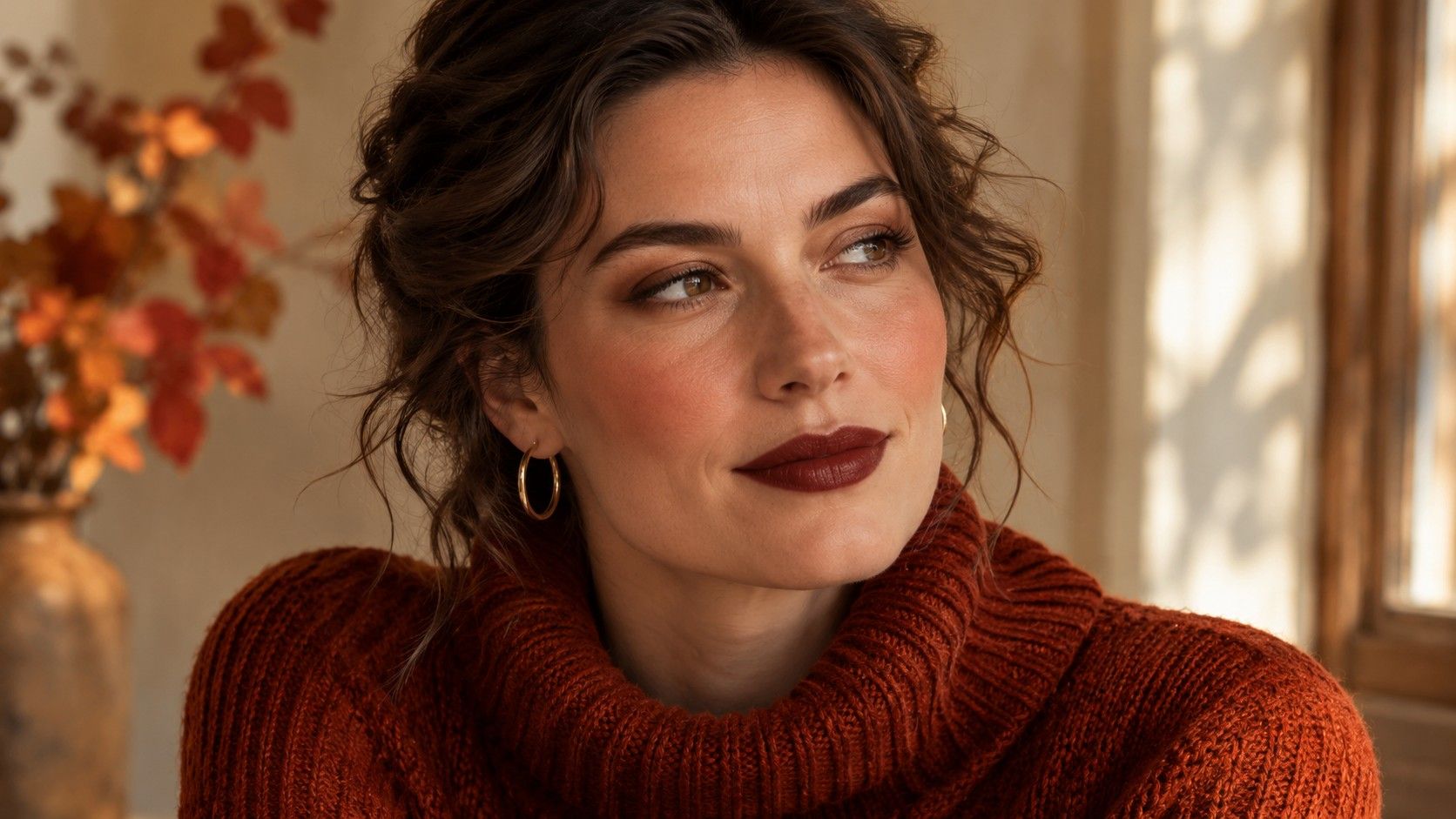
A rich brick, berry-brown or warm red lip can do most of the color work in a makeup look. Problems tend to start when you give the cheek the same instructions: more depth, more warmth, more color. For deep autumn makeup, treat that rich lip as one possible focal point and build around it with what you already own. A quiet cheek is not the same thing as no cheek color. The aim is to keep enough warmth and definition for the outfit without making every feature compete to be seen first.
Choose which area should carry the depth
Decide what you want to notice first at conversational distance. For a dark rust lip, that may be its clear outline and the red-brown color inside it. For a sheer lip stain, a filled-in warm cheek might be the feature you care more about. You do not have to abandon one in order to wear the other; the decision is about emphasis. If you are excited about a new lip, keep it as the fixed point for the first trial rather than rearranging everything to make the blush equally noticeable.
“Rich” does not always mean “dark.” A lipstick can draw attention because it is opaque, because it looks warmer than your collar, or because it has a crisp edge. A browner shade might feel less pronounced even if it is deeper in the tube. Look at the effect on your face and against the shirt or dress you intend to wear. That comparison is more useful than lining products up by how intense they look in their containers.
Start by choosing a specific situation, such as going to work in an olive knit or dressing for dinner in a dark blue shirt. There is no need to build one universally balanced face. The red in your lip may look pleasing beside olive and stronger than planned beside a pale collar. Those observations help with an outfit and a day's makeup. They do not diagnose a season or prove that the products suit everyone who uses the same palette name.
Test the lip with your existing minimal base
Put on the complexion makeup you normally wear, if any, and leave your cheek uncolored. Apply the lip at the coverage you expect to keep through the day. Trying a lipstick with one faint tap and then wearing it at full opacity can produce a different balance. The lip's outline matters too. Start with your usual edges rather than adding a contrasting liner just because it is part of a familiar routine.
Step away from the mirror after the first application. With no deliberate cheek color on, you can see whether something really feels missing. If your cheeks already show a little warmth, leave them for a moment. If the jaw and forehead have some existing color but the area between your eyes and mouth feels blank, a small amount of blush might connect those areas. The aim is not to match the lipstick exactly but to decide whether the cheek needs any additional emphasis.
Before changing the lip, give it one ordinary check in a different spot. Indoors near a window is usually a more useful second view than switching straight from a mirror close-up to a filtered photo. If the shade works there but is a touch stronger than you wanted, blot lightly and look again. If it no longer has the color you liked, go back to your original application and handle the contrast with the cheek instead. Keep one change at a time so you know which action helped.
Add one cheek color in a small amount
Choose a single blush you already trust and start with less than you would wear with a barely tinted lip. A sheer toasted rose, for example, can sit alongside brick without looking like a second patch of brick. A peach that is subtle on one person can be fairly strong on another, depending on the pigment, finish and what it is over. Check the amount on your skin rather than choosing solely by the color name.
Blend your first pass into your ordinary placement and look before adding bronzer, highlight or a second blush. When you turn back to face the mirror, is the lip still the first distinct color? If the cheek now forms a strongly colored area at each side, there may simply be too much product. Reduce or blend that first pass instead of switching immediately to a browner blush or canceling the whole look.
Make sure you are responding to color rather than to an abrupt edge or extra shine. A cheek that looks dark at the outer boundary may need gentler blending, and a pale reflective stripe can draw attention even if the base color is subdued. Try your initial blush without a new highlighter. Once you can see what the blush adds on its own, decide whether additional sheen serves this particular look.
Compare warmth without making every product brown
A lip and cheek can feel connected without using the same hue. Pairing a warm red lip with a subdued russet rose cheek may work better for your outfit than using near-identical reddish brown on both. Conversely, if a more orange cheek stands out against a muted lipstick, test a softer application before deciding to buy a different shade. A little less pigment can be an easier adjustment than hunting for a formula that looks exactly right in the pan.
If you have two suitable blushes, compare the same light application of each with the same lip. A rose with a visible red note and a slightly apricot option might give you two different kinds of warmth. Pick the one that does what you want at the distance where you will see the whole face. Avoid putting the alternatives on top of one another unless mixing is the result you want to test; a muddy mixture does not tell you how either product looks alone.
Avoid an unnecessary second warm product. If you normally wear bronzer, try the look first without adding a fresh pass over the blush. A cheek that reads warm enough can stay as it is. If you do want bronzer, give it a separate job, such as adding a small amount of warmth at the outside of the forehead where you usually apply it. Once several products occupy the same cheek area, it is harder to tell which one is overpowering the lip.
Keep the balance when wearing ordinary clothes
Put on the top, coat or scarf you will actually see around your face. A warm patterned scarf may make another layer of terracotta on the cheeks feel redundant; a plain navy coat may leave more room for that color. Look at the complete outfit before deciding that the cheek needs to match the lip. If you take the scarf off after arriving, check both versions rather than letting a garment worn for ten minutes determine the whole day.
Give the pairing a short wear check. After a drink or a commute, see whether the lip still carries the depth or has worn back into a softer tint. You might want to refresh the lip and leave the cheek alone, especially if the blush still looks strong. If you never reapply during the day, favor the version of the combination you enjoy after the lip has settled. No finish or lipstick family promises the same wear on every occasion.
Save the result in terms of the actual choices: “brick lip at normal coverage, light toasted rose, no extra cheek sheen.” That gives you a way to repeat the effect with the clothes and products you own. If you switch to a softer lip another day, you can let the cheek do more work without discarding the original combination. There is no need to give every part of the face the same intensity to make the colors look related.